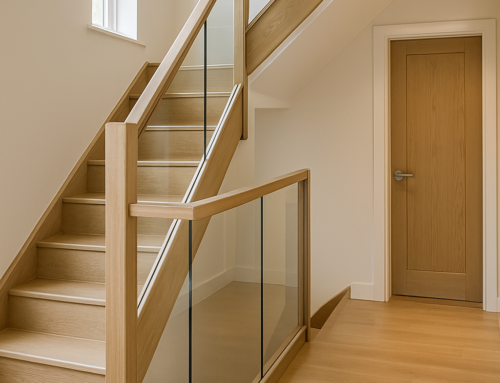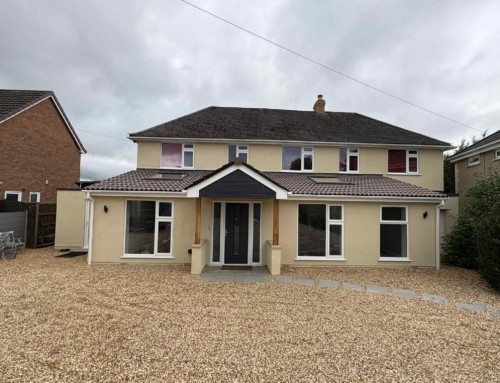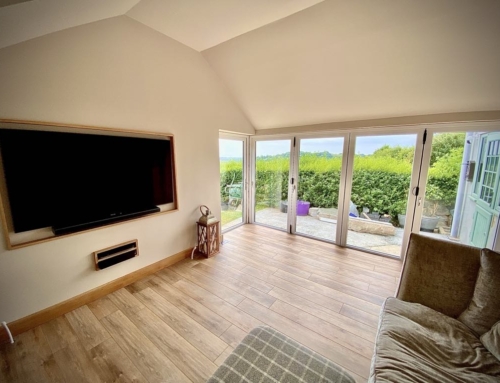
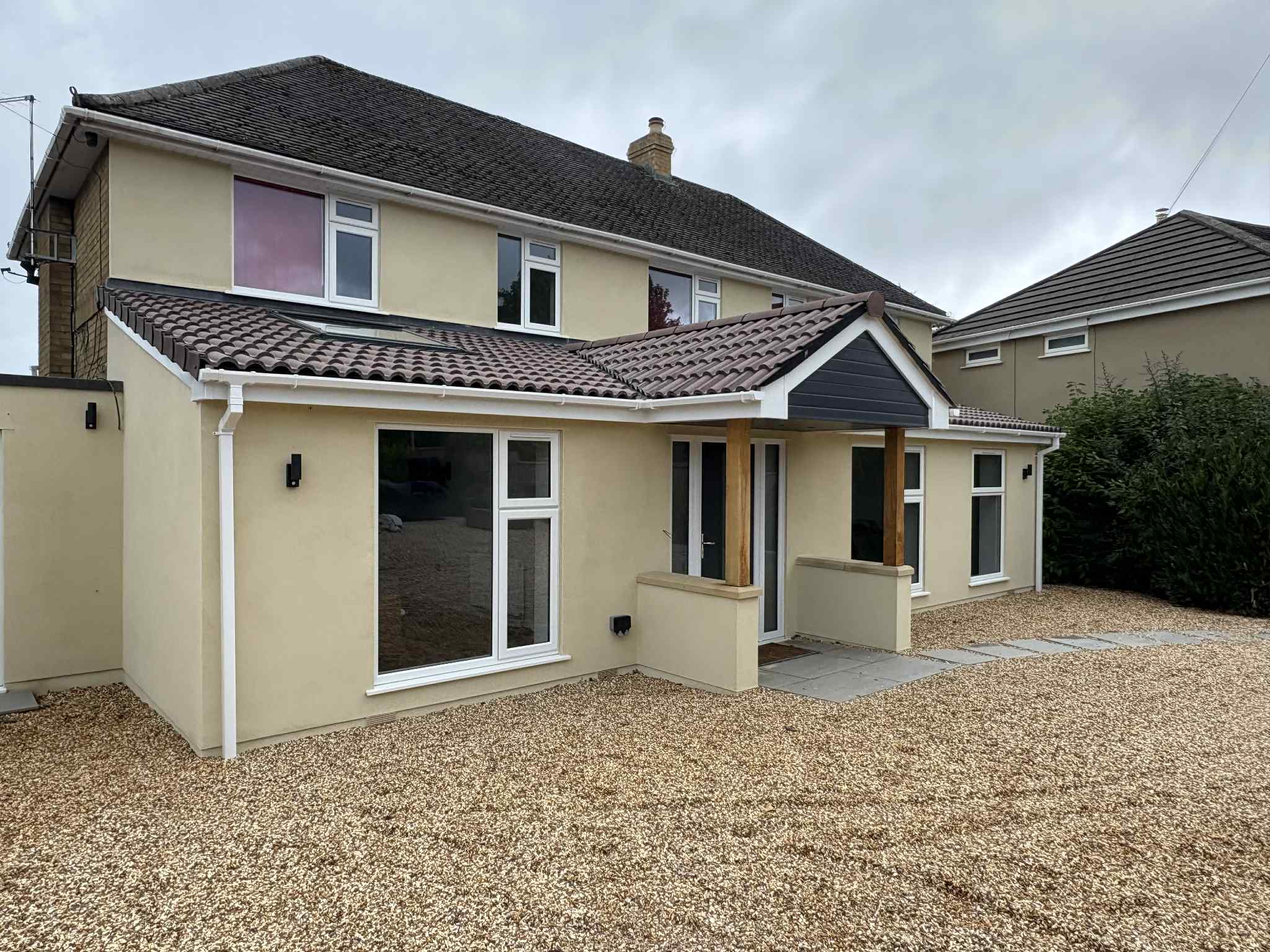
Choose a local builder like Inspiring Building and you get compliant delivery. You get a team that interprets your council scheme, applies NCC/BCA with state variations, and fast-tracks RFIs. On-site crews coordinate utilities and inspections, maintain programs, and control change orders with capped fees. Prequalified trades, standardised SKUs, and QA audits cut risk, waste, and delays. You get aftercare SLAs and defect response. Keep going to see how each step protects time, cost, and quality.
Key Takeaways
- They master local planning rules and NCC/BCA variations, producing council-ready documentation and sequencing approvals to minimize RFIs, compliance risk, and delays.
- On-site presence enables rapid decisions and real-time coordination with utilities and inspectors, with clear escalation paths to prevent blockers.
- Proven project management controls costs with prevalidated materials, transparent change-order caps, and digital approvals, keeping budgets predictable and programs on track.
- Established local supply chains and vetted trades ensure compliant materials, safety, and quality, with documented tolerances, audits, and proactive defect management.
- Personalized selections and iterative design reviews translate your brief into compliant drawings, backed by swift, SLA-driven aftercare with photo-logged fixes and sign-offs.
Deep Knowledge of Local Codes and Councils
Compliance starts locally. You need a builder who navigates your council’s planning scheme, overlays, and building classes with precision. A local expert interprets NCC/BCA provisions alongside state variations, applies setback, height, bushfire, flood, heritage, and acoustic controls, and sequences approvals: pre-application advice, planning permit, building permit, inspections, and occupancy. They structure documentation to council standards—site analysis, ESD reports, structural computations, energy ratings, waste plans—and resolve RFI items quickly because they know the case officers’ expectations and statutory clocks.
You’ll see it in the program: constraints mapped to design, tolerances embedded in details, and temporary works planned for local soil and weather. They coordinate dial-before-you-dig, traffic management, and neighbour notifications, mitigating compliance risk. When rules change, they issue controlled revisions, update registers, and brief trades on hold points and ITPs. The result is fewer variations, predictable inspections, and a compliant handover without costly delays. Aligned with your council’s expectations.
Access to Trusted Suppliers and Trades
You tap established local supply chains to shorten procurement lead times, align submittals with spec, and control code-compliant substitutions. Vetted trade partnerships provide licensed, insured teams with current certifications, standardized QA/QC checklists, and documented safety compliance. With priority scheduling, you’ll reserve critical-path trades early, sequence work per the construction program, and minimize idle time and rework.
Established Local Supply Chains
One tangible advantage is an established local supply chain: vetted suppliers and trades with proven lead times, documented compliance histories, and predictable pricing. You benefit from standardized procurement workflows: scope definition, RFQs to prequalified vendors, comparative bid analysis, and purchase orders with SLA clauses. Materials are sequenced to the construction program, minimizing float and storage risks. Local inventory buffers reduce disruption from weather, road closures, or national shortages. You get code-aligned products, backed by traceable batch data, MSDS, warranties, and chain-of-custody records. Inspections and test plans are scheduled against delivery milestones, so installers mobilize only when acceptance criteria are met. If specs change, substitution requests route through a defined process, verifying equivalency, certification, and lifecycle cost before approval. Escalation matrices trigger contingency sourcing automatically.
Vetted Trade Partnerships
A vetted trade network delivers predictable quality and schedule adherence by engaging prequalified subcontractors and suppliers with documented performance. You benefit from trades vetted for licensing, insurance, safety records, and conformity to relevant codes and standards. We implement written scopes, submittal logs, and QA/QC checklists that tie workmanship to specifications, manufacturer requirements, and inspection hold points. Change control, RFI protocols, and product traceability reduce rework and cost risk. You get transparent performance metrics, including defect rates, closeout times, and warranty responsiveness, so decisions are data-led.
- Prequalification criteria: licensing verification, OSHA/TRIR review, financial stability, reference audits.
- Contractual controls: unit-rate schedules, liquidated damages, warranty terms aligned to statute.
- Technical assurance: mockups, test reports, commissioning, as-built verification.
- Supply integrity: approved vendor lists, chain-of-custody, compliant substitutions, lead-time validation.
Priority Scheduling With Trades
While demand fluctuates, priority scheduling locks in capacity from prequalified trades and suppliers through framework agreements and forecasted look‑ahead plans tied to the CPM, takt, and pull‑planning cadence. You get reserved labor, material allocations, and crane, scaffold, and inspection windows sequenced by constraint logs and weekly work plans. We issue time-phased POs, finalize submittals early, and align long-lead procurement to code-required inspections, fire stopping, energy testing, and commissioning. Trades commit to response SLAs, escalation paths, and standby crews for weather or RFI impacts. You see reliable starts, fewer idle days, and predictable cash flow. Variances trigger root-cause analysis and resequencing using Last Planner, 3-week lookaheads, and updated CPM logic, maintaining compliance and client milestones. Local proximity enables rapid site walks and quicker permit coordination.
Faster Communication and On-Site Responsiveness
How does a local builder keep schedules tight and issues closed fast? By being on-site, reachable, and empowered to act. You get direct lines to the site lead, rapid RFIs, and same-day decisions that keep the critical path intact. When conditions change, they walk the slab, verify constraints, and execute corrections without waiting on distant approvals. Field data flows into a live program—photos, punch items, and inspector notes—so you see status, blockers, and closure dates in real time.
- 15‑minute response SLA for RFIs; escalation to superintendent at T+30 minutes.
- Daily stand‑ups synced to the look‑ahead schedule; action items tracked to owner.
- Geofenced logistics: just‑in‑time deliveries, controlled laydown, zero-idle crane windows.
- Defect triage matrix (Safety > Code > Weather > Finish) drives same‑day remediation.
Local proximity means they can mobilize crews within hours, align with council inspectors, and verify compliance against NCC/IBC, electrical, and plumbing codes on site today.
Transparent Pricing and Fewer Surprise Costs
You’ll require a clear, itemized estimate that maps scope to labor, materials, allowances, and contingencies per contract and code requirements. A local builder applies real-time pricing from nearby suppliers and logistics, reducing variance and escalation risk. With defined scopes, pre-approved equivalents, and documented change control, you’ll keep change orders rare and fees minimal.
Clear, Itemized Estimates
A clear, itemized estimate is your baseline for scope, cost, and accountability. It defines deliverables, quantities, unit rates, allowances, and exclusions, so you can validate pricing and sequencing against drawings and specifications. You’ll see labor, materials, equipment, permits, testing, and overhead broken out, with code references and assumed standards. That transparency lets you audit changes, compare bids apples-to-apples, and lock down contingency logic before work begins. Require time-phased costs tied to milestones and a change-order protocol to manage risk. Insist on digital format for audit-ready traceability.
- Line-item breakdown with CSI divisions, unit costs, and takeoff notes.
- Assumptions, exclusions, and alternates, each mapped to spec sections.
- Schedule of values aligned to critical path and inspection gates.
- Change-order matrix: trigger, approval path, pricing basis, lead-time impact.
Local Supplier Cost Insights
Two advantages emerge when your builder sources from local suppliers: transparent pricing and fewer surprise costs. You see line-item material rates tied to current market lists, verified by local invoices and tax codes. Freight is predictable, based on fixed-radius delivery schedules and published fuel surcharges. Lead times are shorter, reducing escalation exposure and temporary protection costs. You’ll get unit pricing for lumber, concrete, fasteners, and fixtures that align with regional standards, so estimates track actuals.
Your builder can pre-validate availability, substitutions, and warranties directly at the counter. That lets you lock specs early, avoid expedited shipping, and coordinate just-in-time drops by trade. With consistent SKUs, field crews follow manufacturer installation instructions, keep waste factors inside tolerance, and pass inspections without re-mobilizations, or added downtime.
Minimal Change Order Fees
Some builders structure change orders with published fee schedules, capped markups, and predefined triggers, keeping fees minimal and predictable. With a local builder, you get transparent pricing logic: scope variance defined up front, unit costs benchmarked, and escalation rules tied to material indices. You’ll see labor, materials, permits, and overhead separated, so you can accept or reject a delta based on facts, not guesses. Digital approvals and timestamps guarantee traceability and budget control.
- Published matrix linking change categories to fixed admin fees and caps.
- Markup ceilings: labor 10–15%, materials pass-through, no compounding or stacking.
- Trigger thresholds: quantity variance >5%, spec substitutions, code-mandated revisions only.
- Schedule impact analysis attached; float usage before overtime; client sign-off timestamps.
You avoid surprises and maintain budget integrity throughout delivery.
Streamlined Scheduling and Reliable Timelines
The right local builder enforces a critical‑path schedule with defined milestones, task dependencies, procurement lead times, and inspection gates, so you get predictable dates—not guesses. You’ll see baseline, look‑ahead, and weekly work plans aligned to permitting windows and AHJ inspection calendars. Float is tracked, constraints are removed early, and long‑lead items are ordered against approved submittals. Weather days, utility shutdowns, and safety holds are prebuilt into the logic, so crews don’t idle and trades hand off cleanly. You get transparent percent‑complete reports and recovery paths when risk triggers fire. Here’s a snapshot of how your timeline stays reliable.
| Phase | Decision Deadline | Risk Mitigation |
|---|---|---|
| Framing | Approve structural revisions by Day 10 | Add float; pre‑book inspector |
| MEP Rough‑in | Finalize fixtures by Day 15 | Lock submittals; stage materials |
| Finishes | Confirm selections by Day 25 | Parallel QA; daily punch |
Miss a gate, and you’ll see a documented workaround with updated dates and communication.
Quality Craftsmanship Backed by Community Reputation
Why trust a local builder for quality craftsmanship? You’re selecting a team whose work is verifiable in your postcode: completed projects, warranty performance, and defect rectification are visible, not theoretical. Inspiring Building’s reputation is a living QA record—neighbors, suppliers, and inspectors provide continuous feedback loops that drive adherence to code and elevate finish quality. Because repeat work depends on trust, they standardize materials, trades, and sequencing, then audit outcomes against documented tolerances.
Choose local craftsmanship you can verify—living QA, audited tolerances, code-driven finish quality.
- Local supply chains reduce variance: shorter lead times, consistent batches, fewer substitution risks.
- Site supervision is accountable: the same foreman returns for punch lists and post-occupancy checks.
- Compliance is proactive: inspections map to NCC/IBC equivalents, AS/NZS fastener schedules, fire, and moisture controls.
- Defect management is measurable: snag lists triaged by severity, with closeout SLAs.
You gain durable assemblies, interfaces, and traceable documentation—photos, batch numbers, and test reports—so workmanship isn’t promised; it’s proven.
Personalised Service and Design Collaboration
While concepts evolve, you’ll get a structured pathway: a single coordinator translates your brief into compliant drawings, specs, and selections aligned with site, budget, and program. Through iterative design meetings, you’ll review layout options, elevations, and finishes against overlays, bushfire, wind, and energy requirements. We document decisions in a controlled register so scope, allowances, and performance targets stay traceable.
You’ll collaborate directly with the builder, designer, and key trades to calibrate constructability early. We validate room sizes, services routes, and appliance clearances with surveys and manufacturer data. Material samples are vetted for slip resistance, fire ratings, VOC limits, and warranties. Joinery, glazing, and insulation are detailed to meet NCC/BCP, NATHERS, and acoustic criteria.
Selections aren’t generic; they’re tailored to your lifestyle, maintenance tolerance, and climate. By the time you authorise the final specification, you’ll know exactly what’s included, to what standard, and how it integrates with build sequence.
Efficient Problem-Solving and Risk Management
You need a builder who makes rapid on‑site decisions aligned with stamped drawings, specs, and local code, using defined escalation paths and fast RFI turnaround. Your contractor should run proactive risk mitigation via pre-task hazard analyses, QA/QC checklists, and contingency plans tied to schedule and cost baselines. This reduces rework and change orders, maintains compliance, and keeps critical-path activities on track.
Rapid On-Site Decisions
When unforeseen site conditions arise, the builder must execute rapid, code-compliant decisions using a predefined escalation protocol. You benefit when field leaders triage constraints, validate options against the approved drawings, and implement changes through documented, traceable actions. Using local knowledge, they contact the AHJ, secure verbal clearances when permitted, and log confirmations in daily reports. You get minimal downtime, precise scope control, and no surprises during inspections.
- Immediate issue logging with photo evidence, lot coordinates, and spec references
- Structured on-site huddles: superintendent, foreman, safety, and QA/QC sign-offs
- Field change orders aligned to contract clauses, CSI codes, and budget line-items
- Real-time coordination with utilities, inspectors, and labs for compaction and material tests
Decisions remain auditable, meet code, and keep crews moving without rework or delays.
Proactive Risk Mitigation
A disciplined risk program starts preconstruction and drives every field decision. You map hazards, quantify likelihood, and assign controls per ISO 31000 and local code. Before mobilization, you run constructability reviews, contingency modeling, and permit gating. On site, you log deviations, trigger stop-work, and correct with method statements. Vendors are prequalified, bonds verified, and inspections scheduled by hold points. Issues escalate through RACI-defined workflows, so you act fast, document faster, and keep exposure low.
| Risk | Method | Trigger |
|---|---|---|
| Excavation collapse risk | Engineered shoring design review | Unexpected soil variance report |
| Weather delay impacts | Schedule float, temporary tents, and heat | Severe forecasts |
| Quality nonconformance | Hold-point inspection and testing | Failed test or audit |
| Cost overrun trend | Earned value control with thresholds | CPI below 0.9, SPI lag |
Easier Site Visits and Ongoing Progress Visibility
Because the builder operates locally, site visits are faster to schedule and easier to execute, enabling tighter feedback loops and verifiable progress tracking. You can align inspections with key milestones—groundworks, first fix, second fix, and shell sign‑off—without idle lag or rescheduling overhead. Short transit times mean supervisors arrive with current drawings, trade sequencing plans, and permit conditions, then close loops on the spot with timestamped photos and updated checklists. Issues get triaged, assigned, and verified in the same day, reducing rework and preserving program integrity. You see what’s done, what’s blocked, and what’s next—objectively.
- Geo-stamped photo logs mapped to rooms and elevations
- Daily progress deltas synced to a shared Gantt and BIM viewer
- QR-coded zone tags linking ITPs, specs, and inspection records
- Onsite sign-offs captured via digital forms, with variance notes
These rhythms keep information fresh, decisions timely, and workmanship traceable, keeping costs and risk within tolerance limits.
Strong Aftercare, Warranties, and Local Support
Post-handover, the same proximity that enabled rapid inspections supports disciplined aftercare with defined SLAs. You get clear response windows for defects, preventive checks, and emergency call-outs, measured against KPIs. A local team can mobilize within hours, verify issues on site, and close tickets with photo logs and sign-off. You’ll receive O&M manuals, as-builts, warranty registers, and a maintenance matrix mapped to manufacturer guidance and statutory requirements.
During the defect liability period, we schedule snag walks, document punch lists, and remediate to code, logging every action in a change-control trail. Component warranties are validated on installation dates, serials, and commissioning certificates, so claims aren’t rejected. We coordinate suppliers for parts within lead-time targets and guarantee like-for-like substitutions meet specification. Local support means faster root-cause analysis—moisture ingress, HVAC imbalance, or control faults—using calibrated instruments, not guesswork. You maintain a single point of contact, escalation paths, and transparent reporting and accountability.
Frequently Asked Questions
Do You Assist With Securing Government Rebates for Energy-Efficient Upgrades?
Yes, we assist you in securing government rebates for energy‑efficient upgrades. We audit your scope against program criteria, verify code citations (IECC/NCC), and produce compliant documentation: cut sheets, invoices, and commissioning reports. We register applications, track milestones, and respond to verifier RFIs. You’ll get scheduling for inspections, affidavits, and measurement/verification plans. We also advise on stacking incentives, eligibility windows, wage rules, as applicable, and tax-credit interplay to maximize net benefit.
How Do You Manage Waste Recycling and Environmentally Responsible Disposal on Projects?
You manage waste like refactoring a legacy codebase—on a library retrofit, you mapped streams and you’ve cut landfill by 92%. You’ll start with a pre-construction waste audit and SWMP, assign color-coded bins, and train crews. You segregate inert, timber, metals, plasterboard, and hazardous per COSHH, using licensed carriers and weighbridge tickets. You track chain-of-custody, target >90% diversion, backhaul materials, and issue quarterly Duty-of-Care reports, meeting ISO 14001 and EPA regulations.
Are Your Team Members Background-Checked and Trained in Working Within Occupied Homes?
Yes. Every team member is vetted via enhanced background checks, identity verification, right‑to‑work confirmation, and subcontractor due diligence. You get crews trained for occupied‑home operations: safeguarding, DBS awareness, RAMS, CSCS, asbestos awareness, electrical isolation/LOTO, dust/noise control, hygiene, and property protection. We enforce sign‑in/out, zone barriers, photo‑ID, supervised access, and daily housekeeping. You’ll see clear communication, incident reporting, and compliance audits to maintain safety, privacy, and minimal disruption throughout live works.
Do You Coordinate Seamlessly With Landscape Architects for Integrated Outdoor Works?
Naturally, you’d prefer siloed trades—so we coordinate seamlessly with landscape architects. You’ll get a single CPM schedule, BIM/3D clash reviews, and pre-con coordination covering grading, drainage, utilities, and setbacks per local code. We issue RFIs, integrate planting/irrigation with SWPPP and erosion controls, and sequence inspections. Field crews follow stamped details, hold points, and QA/QC checklists. We update as-builts, maintain access, and deliver punch-free handover fully aligned to the landscape plan.
Do You Offer Post-Occupancy Energy Performance Reviews to Fine-Tune Building Efficiency?
Yes. You’ll get a structured post-occupancy energy review using measured data. We meter end-uses, pull BMS logs, and benchmark per CIBSE TM63/IPMVP. We calibrate the energy model, verify setpoints, recommission HVAC, balance airflow, and retune controls to BS EN 15232. We run thermography and airtightness checks, assess plug/process loads, and optimize schedules. Deliverables include a defect list, calibrated KPIs, and a 90‑day action plan with monitoring to verify savings achieved.