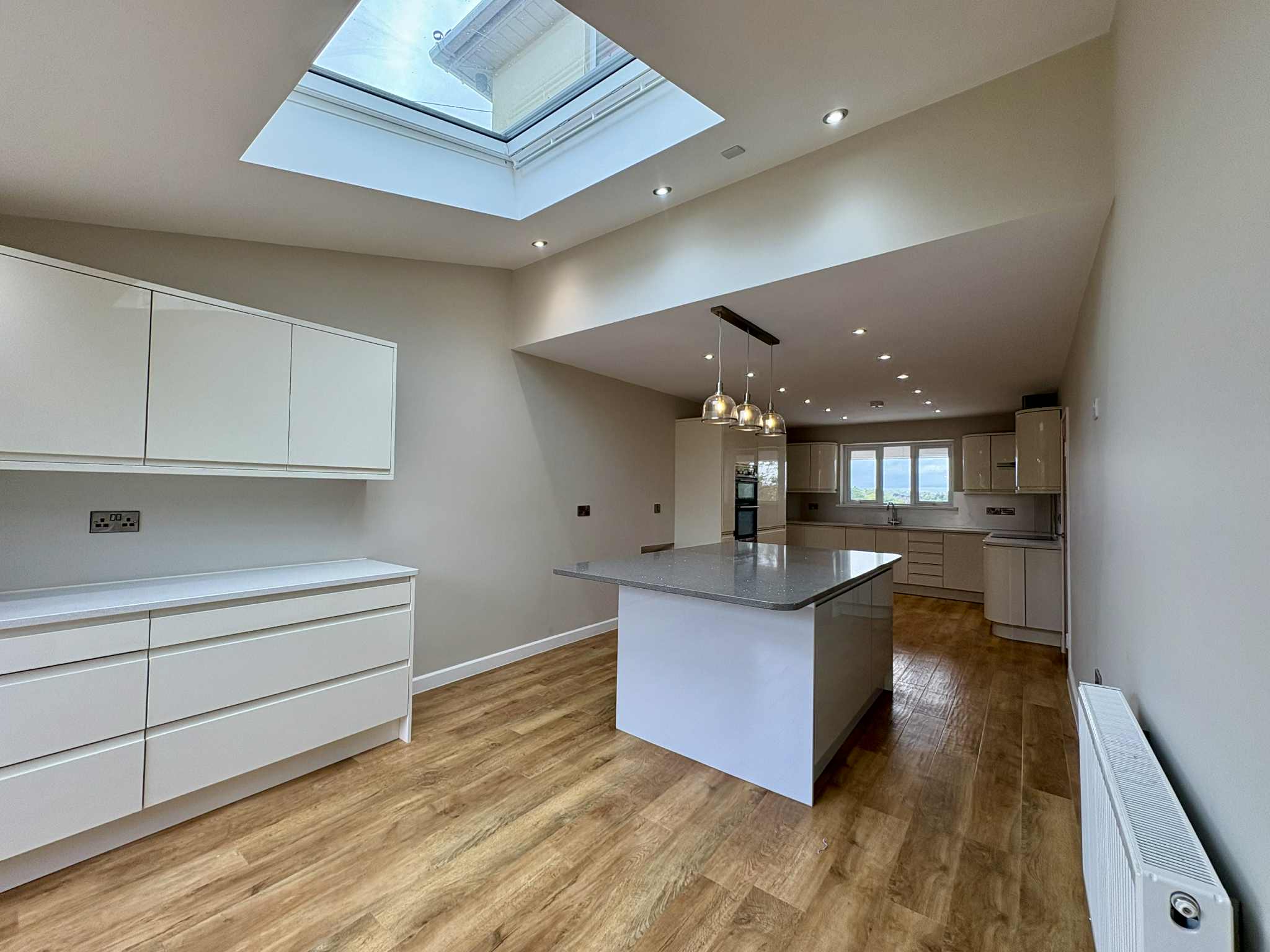
You’ll transform your kitchen into an energy‑smart, sustainably built social hub that pairs bold colour with warm, tactile materials. Expect smart appliances, sensor ventilation and real‑time energy displays to cut bills. Reclaimed timber, low‑VOC finishes and recycled worktops reduce embodied carbon. Flexible zones let you cook, work and host without clutter. Handleless cabinets and integrated appliances create calm, seamless sightlines. Keep going to uncover practical tips, material choices and layout moves to make it happen.
Key Takeaways
- Energy‑saving smart kitchens: LED lighting, sensor ventilation, and real-time energy monitoring to cut consumption and running costs.
- Sustainable materials dominate: reclaimed timber, FSC oak, bamboo flooring, and recycled worktops reduce embodied carbon and improve indoor air quality.
- Bold colour palettes balanced with warm natural textures—matte deep pigments, timber, textured stone and brass accents for cosy modernity.
- Flexible layouts create zones for cooking, working and socialising with clear circulation and adaptable seating.
- Clever storage and integrated appliances deliver handleless cabinetry, organised interiors and concealed tech for a calm, durable kitchen.
Smart, Energy‑Saving Kitchens
When you redesign your kitchen for the future, make energy efficiency the starting point: smart appliances, LED task and ambient lighting, and sensor-driven ventilation cut consumption while elevating style. You’ll choose induction hobs and A+++ rated ovens that heat precisely and cool less; dishwashers and fridges linked to your home hub’ll run in off-peak windows to save bills. Zoned LED schemes give crisp prep light and warm social ambience without waste, while adaptive dimming and motion sensors stop lights blazing in empty zones. Integrated energy displays and apps show real-time use so you can tweak routines, and smart plugs schedule small appliances. Ventilation with demand-controlled fans and heat-recovery units maintains air quality without constant extraction. Designers are pairing minimalist interfaces and tactile controls so efficiency looks premium, not clinical. You’ll want systems that learn habits, offer firmware updates and interoperable protocols — future-proofing both performance and value. Resilience.
Sustainable Materials and Eco‑Friendly Finishes
Beyond smart systems, the materials you pick anchor both a kitchen’s sustainability and its visual identity. Choose reclaimed timber and FSC-certified oak for cabinetry to lend warmth while cutting embodied carbon; expect fine grain, weathered knots and a quiet, durable presence. Opt for engineered bamboo for flooring—fast-growing, hard-wearing planks with a honeyed sheen. For worktops, recycled-glass or porcelain slabs deliver impact resistance and a refined, stone-like appearance without quarrying. Metal fixtures in reclaimed brass or recycled stainless steel will patinate gracefully and resist corrosion. Prioritise low-VOC paints, water-based lacquers and natural oil finishes to preserve indoor air quality while showcasing material character. Look for cradle-to-cradle certifications, transparent supply chains and manufacturers offering take-back or refurbishment programmes. By favouring longevity, repairability and recycled content, you’ll create a kitchen that reads modern and responsible—visibly crafted to last rather than trend-led fast replacement. You’ll also cut lifecycle costs and environmental impact.
Bold Colour Statements With Warm Natural Textures
One sure way to make a kitchen feel confidently modern is to pair a saturated colour—think petrol green, burnt ochre or inky navy—with warm, tactile materials that soften the drama. You’ll want cabinetry in deep, matte pigments contrasted with raw, oiled timber worktops and open shelving; the grain and knots temper intensity and add human scale. Introduce textured stone splashbacks or honed marble for subtle luminosity, and consider terracotta tiles or warm porcelain underfoot to ground the palette. Brass or aged bronze fittings catch light and echo the warmth without competing. Soft textiles—handwoven rugs, linen runners and leather stool seats—bring layered comfort and visual balance. Be deliberate with finish contrasts: a velvety paint beside a rugged surface reads sophisticated, not fussy. Lighting should sculpt colour depth, revealing warmth in shadow and sheen. The result is a bold, contemporary kitchen that feels simultaneously striking and inviting and refined.
Flexible Layouts for Cooking, Working and Socialising
After grounding a bold palette in warm textures, you’ll want a layout that adapts as easily to a morning laptop session as it does to a dinner party. Choose flowing zones: a prep island that doubles as a bar-height desk, a neighbouring banquette for relaxed laptop work and breakfasts, and a clear circulation route so cook and guest don’t collide. Think modulated surfaces — matt stone for cooking, timber for touchpoints — signal function clearly. Lighting layers are essential: task strips, dimmable pendants and adjustable uplights let you shift mood instantly. Flexible seating on wheels or foldaway stools keeps sightlines open and plan readable. Incorporate connection points — a landing between hob and social area, raised counters to delineate without closing — so activities coexist. The result feels intentional: a kitchen that flexes with your day, stylish enough for entertaining yet ergonomically tuned for work and daily life.
Clever Storage and Seamless Integrated Appliances
When you design storage and appliances as a single fluent surface, the kitchen reads as calm and considered — flush, handleless cabinetry hides a column fridge, appliance garages tuck mixers out of sight, and slim pull-out pantries keep everyday staples at arm’s reach. You’ll favour integrated ovens and induction hobs that align with the run of worktop, their minimal profiles extending visual length and making cleaning effortless. Concealed extraction, drawer dishwashers and under-counter recycling bins maintain that uninterrupted plane while boosting functionality. Think curated interiors: soft-close drawers, adjustable dividers, tray inserts and angled spice racks tailored to how you cook. Lighting is strategic — toe-kick LEDs and cabinet internals reveal contents without disrupting the aesthetic. Materials matter: matte laminates, timber veneers and textured handles-free finishes hide smudges and age gracefully. Designers are moving away from gadget clutter; you’ll create a calm, efficient kitchen where every item has a designated place.
Frequently Asked Questions
How Much Does a Typical Mid-Range Kitchen Makeover Cost in the UK?
A typical mid-range kitchen makeover in the UK costs around £10,000–£20,000. You’ll get refreshed cabinetry, stone-effect worktops, new appliances and contemporary lighting that lift the room’s look. Expect skilled fitting, splashback tiling, plumbing updates and quality handles; sleek matt finishes and warm timber accents are trending. You’ll want a contingency for unforeseen work, usually 10–15%, so your stylish, functional result isn’t derailed by surprises and resale value often benefits too.
How Long Will a Full Kitchen Renovation Usually Take From Start to Finish?
A full kitchen renovation usually takes 6–12 weeks from demolition to final reveal, though complex projects can run 3–4 months. You’ll see stripped cabinetry, exposed brick, new plumbing and sleek handleless units arrive in phases: structural work, electrics and plumbing, plastering, flooring, units and worktops, then appliances and finishing touches. Plan for short delays; seasonal demand and bespoke fittings can extend timelines, so build in at least a fortnight contingency.
Do I Need Planning Permission or Building Regulations Approval for Kitchen Changes?
Like opening a new cupboard, you generally don’t need planning permission for internal kitchen work, but you’ll likely need Building Regulations approval for structural, electrical, gas or drainage changes. If you move load-bearing walls, alter ventilation, rewire circuits or install new boilers or gas lines, get certified plans and competent trades. Check local authority guidance and hire a qualified installer so your sleek, on-trend fit‑out meets legal and safety standards.
How Do Kitchen Makeovers Affect My Home’s Resale Value in the UK?
Yes — tasteful kitchen makeovers typically boost resale value by modernising appearance and improving workflow, especially if you follow current UK trends like matte charcoal cabinets, brass accents and biophilic touches. You’ll attract buyers and justify higher asking prices when layouts feel spacious, storage’s clever and finishes look durable. Avoid over-personalised choices; neutral palettes with one statement feature give the best return on investment across UK markets and seasonal styling cues.
Can I Do a Kitchen Makeover Myself, or Should I Hire Professionals?
Sure, you could DIY, but you shouldn’t tackle structural, plumbing or electrical work alone. You can handle cabinetry, painting, splashbacks and styling to follow current muted palettes and matte textures, and save money. For installations, gas, rewiring, or bespoke cabinetry go pro—trades deliver precision, guarantees and resale-friendly finishes. Balance DIY for visual updates with professionals for safety, compliance and long-term value. You’ll get trend-led results that photograph beautifully and reliably.