You can transform your home through thoughtful interior design that balances form and function, enhances comfort, and increases resale value. Smart layouts and built-in storage maximize space while clear circulation paths improve flow. Layered lighting and high-CRI fixtures set mood and boost usability. Durable materials and a cohesive color palette create lasting appeal. Even modest budget moves yield big impact with targeted updates. Keep going to uncover practical strategies and ideas you’ll apply right away.
Key Takeaways
- Thoughtful design enhances aesthetic appeal and creates a cohesive, personalized atmosphere that improves daily mood and comfort.
- Smart layouts maximize space, establish clear circulation, and use multi-functional furniture for efficient living.
- Layered lighting and high-CRI fixtures balance ambient, task, and accent light to improve functionality and color accuracy.
- Durable materials, neutral palettes, and built-in storage reduce clutter, increase longevity, and broaden market appeal.
- Balanced personalization with timeless elements raises resale value while reflecting your lifestyle.
Living Spaces: Balancing Form and Function
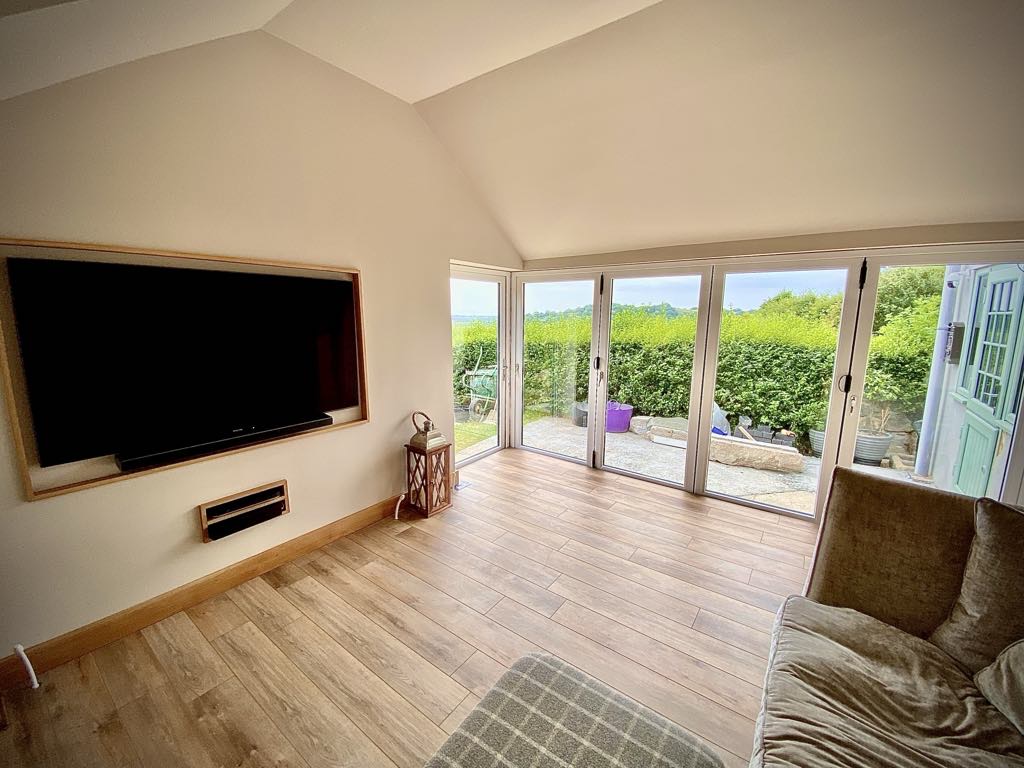
While great design should catch the eye, it also has to serve your life, so balancing form and function means choosing pieces that look intentional and work reliably. In living spaces you’ll prioritize circulation, durable finishes and multifunctional furniture. Measure traffic paths and arrange seating to maintain clear routes; that reduces wear and improves comfort. Select fabrics rated for use, stain resistance and maintenance needs, pick materials that age gracefully; hard surfaces should resist impact where kids or pets frequent. Incorporate storage that’s integrated—built-ins, concealed cabinets and furniture with hidden compartments—so surfaces stay uncluttered and item has a designated place. Scale matters: choose rug sizes, sofa depths and table heights that relate to room proportions and to how you’ll use them. Finally, define zones for distinct activities—conversation, media, reading—so every element supports purpose without sacrificing cohesive aesthetics. You’ll end up with a space that’s beautiful and reliably livable.
Lighting Strategies That Change Mood and Utility
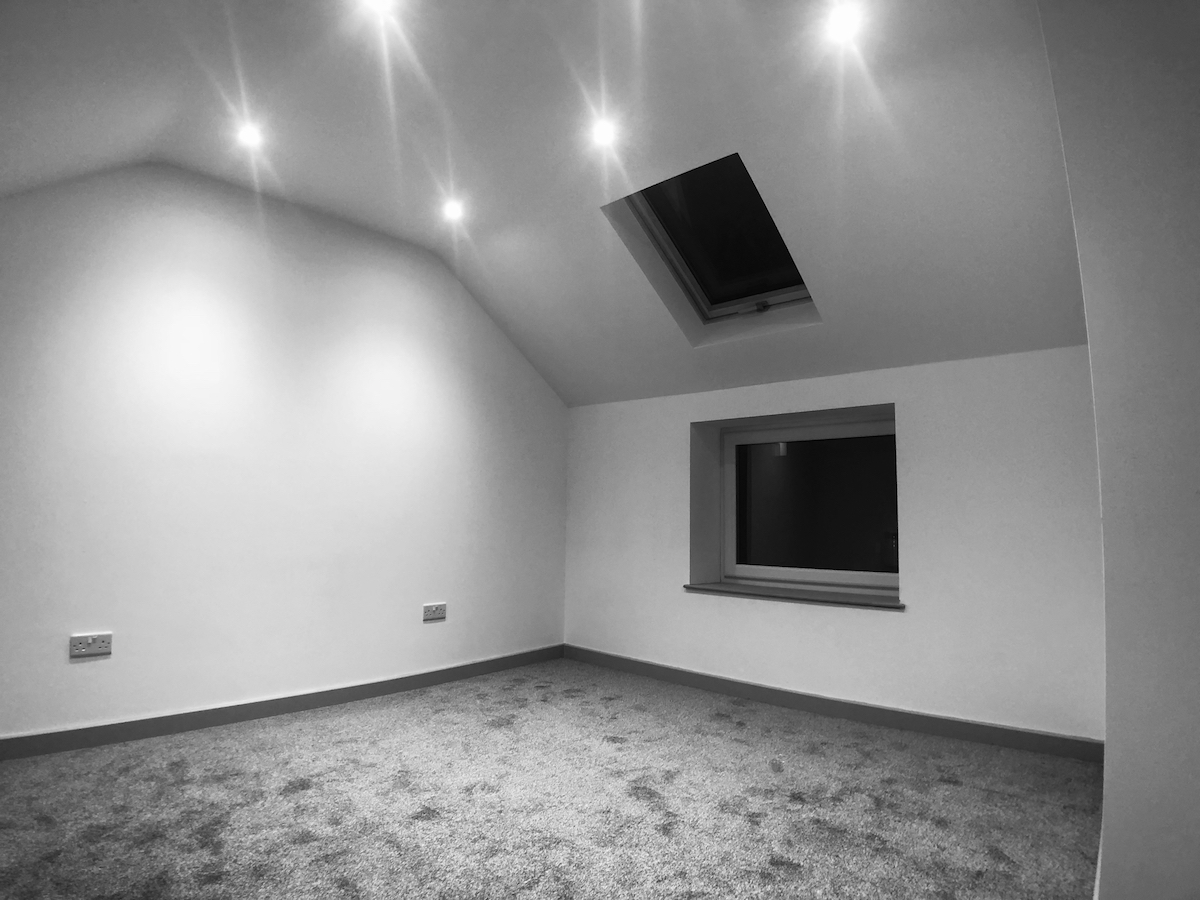
Good lighting ties a room’s look to how you actually live in it, so after planning circulation, scale and storage you should give equal attention to how light shapes mood and utility. You’ll layer ambient, task and accent lighting to create flexibility: ambient provides overall illumination, task focuses on work zones, and accents highlight art or architectural features. Choose color temperature intentionally—warmer tones for relaxation, cooler for focus—and match CRI above 90 for accurate rendering. Dimmer switches and control points let you adjust scenes without rewiring. Consider fixture scale and beam spread to avoid glare and guarantee uniformity; pendant, recessed spacing, and wall-washer angles matter. Use directional fixtures for adaptable illumination, and integrate concealed lighting to add depth without clutter. Energy efficiency and maintenance should guide lamp and driver selection. Plan circuits so you can operate layers independently, giving you precise control over ambiance, functionality in every room.
Smart Layouts to Maximize Space and Flow
You’ll improve usability by zoning spaces according to function—work, relaxation, dining—so each area has the furniture and storage it needs. Define zones with furniture arrangements, rugs, lighting cues, and sightlines rather than unnecessary partitions. Plan clear circulation paths (generally 30–36 inches wide) and avoid blocking them with seating or decor to preserve effortless flow.
Zoning for Function
Although open plans can feel expansive, zoning for function makes sure every area supports specific activities so movement, storage and visual coherence don’t compete. You’ll begin by mapping activities, cooking, dining, working, relaxing, then assign footprint, required surfaces, storage and power. Use furniture, rugs and lighting to anchor each zone; select sizes that respect proportions and sightlines. Integrate built-in storage and vertical solutions to keep zones tidy without visual clutter. Choose durable finishes where tasks are intensive and softer textiles where comfort matters. In multifunctional rooms, define primary function first and allow secondary uses with adaptable pieces like foldaways and modular shelving. Test sightlines and task access at real scale to confirm each zone operates independently yet reads as part of a cohesive whole.
Clear Circulation Paths
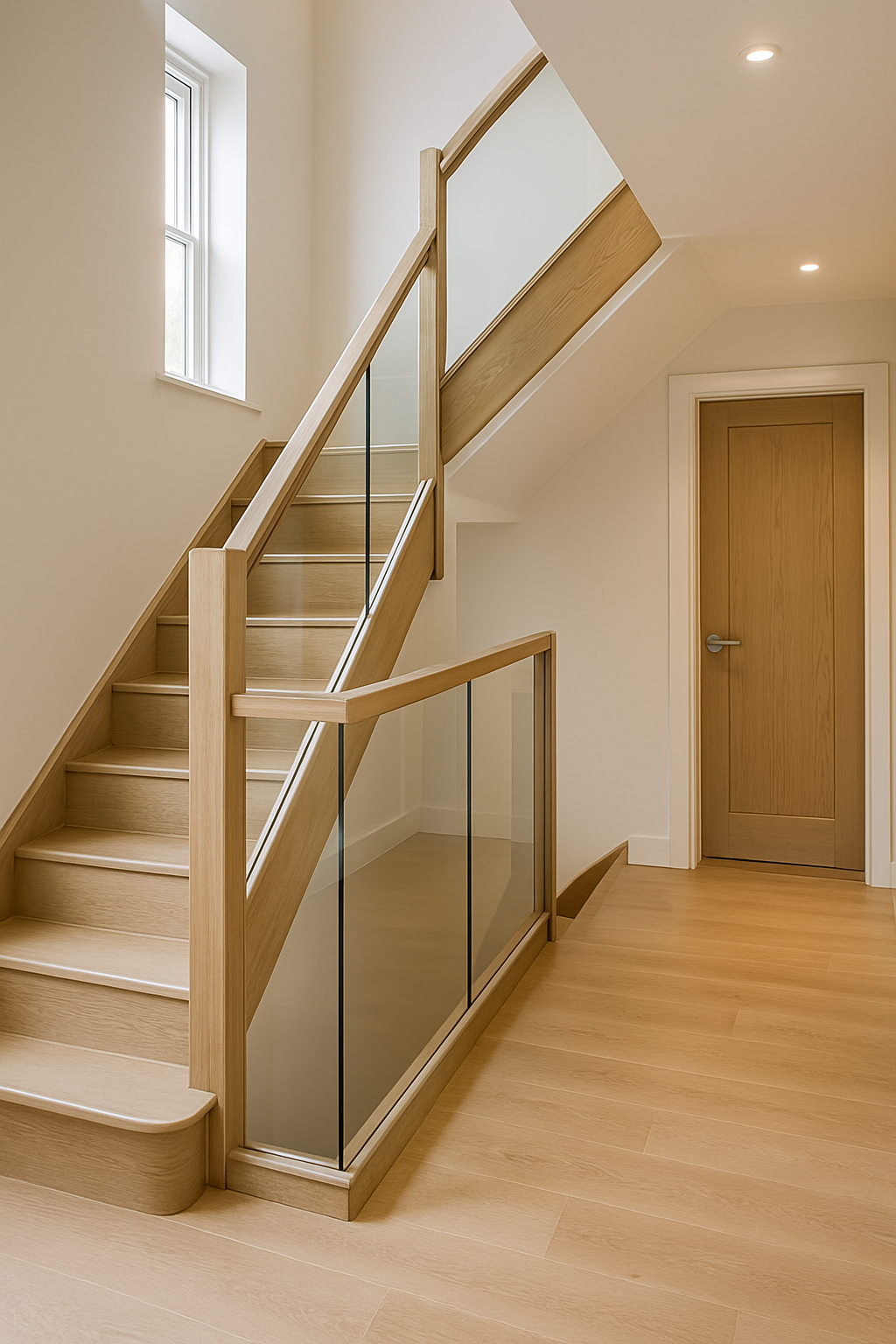
After zoning your space, plan clear circulation paths so movement feels effortless and zones don’t compete for space. You’ll define primary and secondary routes that connect entry, kitchen, seating, and work areas without obstruction. Keep pathways 36 to 48 inches in living areas and wider for high-traffic or wheelchair access. Use furniture orientation, rugs, and lighting to signal flow, avoiding floating pieces that break lines. Consider door swing and sightlines to reduce bottlenecks and maintain safety.
- Measure and map routes before buying furniture, accounting for traffic patterns and clearances.
- Anchor walkways with low-profile pieces and transparent tables to preserve sightlines.
- Use symmetry and repetition to guide movement and reinforce intentional flow.
- Maintain visual continuity with consistent flooring, color, and thresholds.
Color and Materials: Setting Tone and Durability
The colors and materials you choose determine both the mood and the longevity of a space; they’re also central to maintenance, comfort, and resale appeal. Select a cohesive palette tied to natural light: warm hues expand cozy rooms, cool tones calm high-traffic areas, and neutrals create flexible backdrops for furnishings. Prioritize materials by function—dense hardwoods and porcelain tile for wear-prone floors, stain-resistant upholstery where you entertain, and low-VOC paints for indoor air quality. Consider texture and finish: matte surfaces hide imperfections, gloss reflects light but shows wear, and layered fabrics add tactile comfort. Coordinate trim and fixtures in durable metals or engineered composites to reduce repainting and replacement. Test swatches and samples in situ to judge color at different times of day. Finally, document material specifications and maintenance routines for future buyers and contractors so the intentional choices you make now preserve aesthetic quality and service life. Durability.
Small Budget, Big Impact: Affordable Design Upgrades
When you’re working with a tight budget, strategic swaps and selective upgrades can transform a room without breaking the bank. Focus on high-visibility changes that improve function and perception: fresh paint in a cohesive palette, updated lighting to layer task and ambient light, and trimmed or replaced hardware for a polished finish. Prioritize durable, easy-to-install elements that return noticeable value.
Strategic, affordable swaps—fresh paint, updated lighting, and new hardware—elevate a room’s look and function.
- Replace outdated light fixtures for better illumination and style.
- Repaint walls and trim in coordinated neutrals or one accent.
- Swap cabinet and door hardware for modern, matching pulls.
- Add textiles—rugs, cushions, curtains—to tie color and texture together.
Plan purchases, measure precisely, and sequence work so small investments compound. You can DIY many tasks; for electrical or structural changes, hire a pro. With intention and restraint, modest expenditures will elevate aesthetics and usability without overspending. Track receipts and timelines to guarantee budgetary discipline and outcomes.
Personalization and Resale: Designing for Today and Tomorrow
Although you’ll want your home to reflect your personality, it’s smart to balance bold choices with market-friendly decisions so you don’t price out future buyers. You can layer personal touches that are reversible: art, textiles, lighting and hardware are high-impact, low-commitment. When making permanent changes, choose neutral palettes and classic materials—wood tones, stone, matte fixtures—that appeal broadly. Document upgrades with receipts and warranties to show quality to prospective buyers. Consider flexible layouts and multi-use rooms; built-ins with neutral finishes adapt to varied tastes. Invest in durable, low-maintenance finishes in kitchens and baths, where buyers focus most, but personalize with removable accents like cabinet pulls or backsplash tiles on a secondary wall. Be mindful of local market preferences—research comparable homes and aim for improvements that offer strong return on investment. By combining tasteful, timeless base decisions with clearly layered personal elements, you’ll enjoy your space while protecting resale value.
Frequently Asked Questions
How Much Does Hiring an Interior Designer Typically Cost?
You’ll typically pay anywhere from $50 to $500+ per hour, $500 to $5,000 for a single-room flat fee, or 10–30% of your overall project budget if they charge a percentage. Some designers offer hourly consultations, fixed packages, or full-service project management with markups on furnishings. Expect higher rates in major cities and for highly experienced designers; always get a written proposal detailing scope, fees, deliverables, and timelines too.
How Long Does a Complete Home Redesign Usually Take?
A complete home redesign typically takes 3 to 9 months from concept to completion, though larger or custom projects can run 12–18 months. You’ll start with a 2–6 week discovery and design phase, then 4–12 weeks for detailed drawings and approvals, followed by 4–20 weeks of construction and finishes. Timelines depend on scope, permitting, material lead times and contractor availability; we’ll build a realistic schedule and manage milestones for you.
How Do I Maintain and Clean Designer Materials Effectively?
A client with white leather sofas who used a pH neutral cleaner weekly and conditioned quarterly kept leather supple. You’ll follow manufacturer instructions, use pH neutral or material specific cleaners, spot test in hidden areas, vacuum fabrics with attachments, wipe hard surfaces with microfiber cloths and mild solutions, avoid harsh chemicals and direct sunlight, apply protective treatments as recommended, and schedule professional deep cleaning for delicate or high value pieces.
What Sustainable or Eco-Friendly Options Should I Consider?
Consider low‑VOC paints, FSC‑certified wood, reclaimed materials, and rapidly renewable options like bamboo and cork. Choose natural fiber textiles (organic cotton, hemp, wool), non‑toxic finishes, and recycled-metal or glass fixtures. Prioritize energy‑efficient lighting, high-performance insulation, and water-saving fixtures. Look for certified products (LEED, Cradle to Cradle, Greenguard) and prefer local artisans to cut embodied carbon. You’ll reduce environmental impact while keeping design quality high and save operating costs long-term, too.
How Can I Design to Accommodate Pets and Young Children?
Design for pets and young children by choosing durable, non-toxic materials, stain-resistant fabrics and rounded furniture profiles to prevent injuries. Create zoned spaces: play areas with washable rugs and storage, pet beds near family hubs, and secured cabinets for hazards. Use washable paint, slip-resistant flooring and grounded electricals. Incorporate easy-to-clean surfaces, pet doors or gates, and elevated feeding zones. Plan sightlines so you’ll supervise without sacrificing style or aesthetics gracefully.